Archive | Junior Blog

Fall Stonegrinding through Caldwell Sport

The fall is right around the corner, and no matter what the race season will look like, it’s time to start thinking about getting our skis in tip-top shape!

MNC delivers skis to Caldwell Sport in Putney for stonegrinding.

What is stonegrinding? Put simply, stonegrinding removes an incredibly thin top layer of your ski base while also applying a new pattern. This is all done with an incredibly-expensive, finely-tuned machine using special stones, depths, speeds, and pressures. If it sounds complicated, that’s because it is! But you only need to know the outcome, which is that a freshly stoneground ski will:

-Be much much easier to wax because the base will be flat and even. This means it will be faster

-Hold wax better due to this even distribution of material and opened “pores” that were previously damaged by heat from irons or corks

-Repel moisture better with a new pattern and structure

Most skiers only assume that stonegrinding “gets the scratches out” and while this is true for very minor dings and blemishes, stonegrinding won’t necessarily make a base look perfectly new. And more often than not, it isn’t the scratches that are slowing your ski down: it’s all those passes with an iron, all that dirt that you can’t see in the base, and all the uneven rises and falls at a minuscule level from repeated use and abuse.

With the transition to non-fluoro racing, flat bases and fast bases have never been more critical. That’s why our club is transitioning back to Caldwell Sport after a bit of an absence. Although these grinds are slightly more expensive, one stonegrind costs less than a block of pure fluorocarbon wax and will make MUCH more of a difference.

Last year our Junior team alone was the largest it has ever been, and our wax team was also larger than ever. There were many different hands and eyes “on the bench” and one thing was clear: a lot of us need some fresh grinds on those bases! Here is a simple rule:

If your skis have not been stoneground and you have raced on them for two years in a row, they need to get ground before this season. Even if they do not have scratches, they are most likely not flat and are difficult to work with. This is ESPECIALLY true for race skis, which have likely seen a lot of action from hot irons and roto-implements used in racing. 

Our coaches have some detailed knowledge of Junior skis from the past race season, so if you are a Junior and are interested to know if you’d benefit from some stonegrinding please reach out. Masters, don’t hesitate to reach out either!

So, how does this all work?

1) Fill out the form below to indicate # of pairs, grind options, and personal info by SEPTEMBER 30th

2) Deliver skis to Adam sometime before SEPTEMBER 30th

3) Adam will drive skis down to Caldwell Sport, and they will be completed in time for Thanksgiving on-snow training or earlier. 

4) Individuals will be billed by the club and can submit payment via all our usual means (online form, or check made out to MNC)

5) Stonegrind cost includes rate for grinding, plus transport of skis to/from Putney. Expect around $70-80 per pair. Skis will be returned to owners upon receiving payment

Need some suggestions for grinds? Zach helped lay out his best options for various numbers of skis and I have utilized that info on the form. If you only have one skate or classic pair, for example, chose the “Universal” option. Most of us, if we have a 2nd pair of either skate or classic, are utilizing a specific “warm” pair which is also an option to select.

Stonegrind Form 2023

Looking for used skis, or looking to part with skis or gear? Mark your calendars for the MNC Ski and Gear Swap. The 2nd annual swap takes place on the weekend of October 28/29!
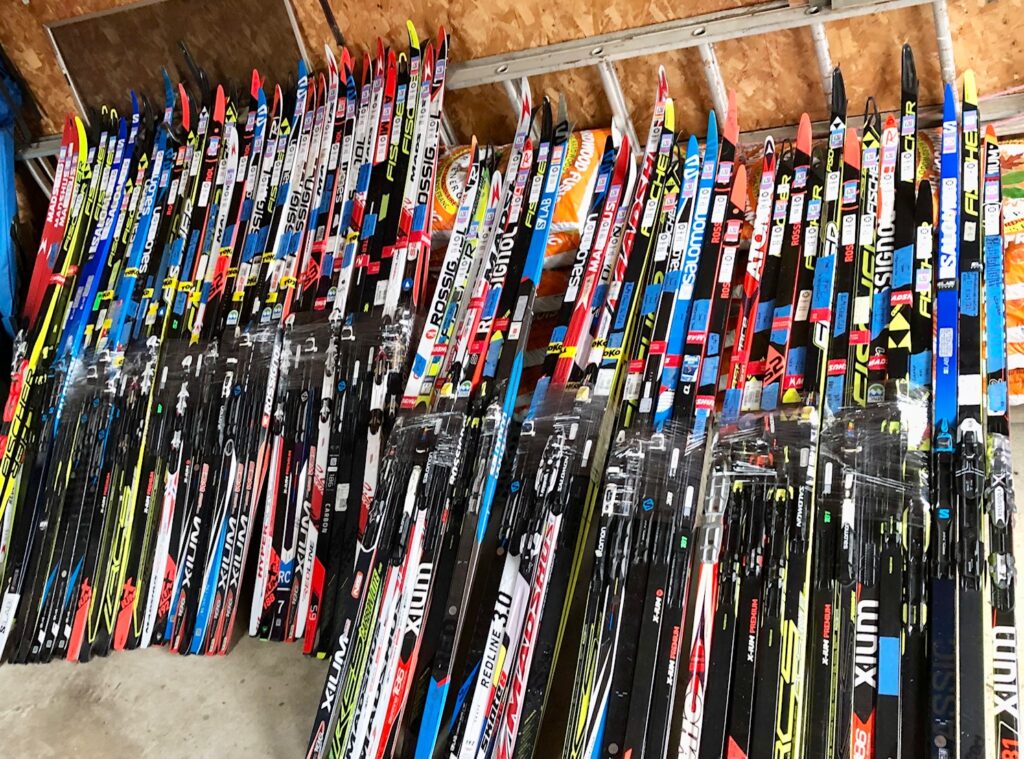
MNC’s 2022 batch…can we beat these numbers this year?

 

Skirack’s Junior Lease Fit Night: Tuesday 9/26

Skiers and parents,

The lease program offered by Skirack is a very popular option for skiers to get set up with gear for the season ahead. Since the leases sell out frequently, Skirack is introducing a booking system to get outfitted. Space is limited! Use this reservation system to ensure you get lease equipment ahead of the traditional walk-ins taking place in mid-October.

This lease fit night is Tuesday, September 26th from 6-8pm.

To reserve your spot, please follow the link below!

Skirack Lease Fit Night

Junior Lease Fit Night at Skirack: Sept 26 - 6-8PM

Playing the right card

Ski training and coaching is complex. There are so many different “elements” of coaching or being an athlete, and it often feels like you can start falling down a rabbit hole pretty quickly. As an athlete, you can feel overwhelmed with the amount of information you’re receiving and how to process it all. As a coach, it can feel like there’s an overwhelming amount of information to share and teach and many different arenas/methods to share.

I’ve started to think of it like holding a deck of cards, and choosing the time and place to play each card.

There’s the sports science and training theory card, like this article from Team Aker-Daehlie that has gone as “viral” as you can get in the Nordic ski world. Trying to explain these concepts before practice would be a huge mistake, as often skiers are arriving and focusing more on what they need to do that day. Likewise, after training (especially on weekdays) it is getting late and everyone needs to get home for schoolwork, dinner, etc.

But for the past few years I have increasingly sent follow-up emails after many training sessions. Many coaches and leaders are adamant about the benefits of a “debrief” after practice, but that’s really hard for our group to do in-person…at the Range we depart at different times depending on how much we’re trying to ski. Biathletes depart before practice even ends. And often I am talking to individual skiers since some of the team I only see once or twice a week.

The email at least serves as a way to bring everyone back to reflection on the session, and also conveniently link video from the ski. In this case, I linked the article above after several sessions last week too. Maybe some clicked-through and read-on, and maybe others didn’t. But I was able to think about what I wanted to say/type about the article, and provide better context than I ever could on a training day.

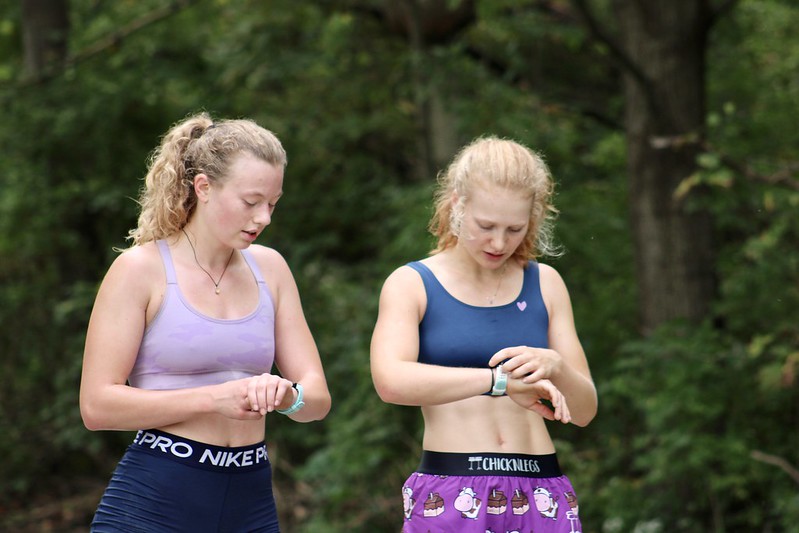
Not long after getting engaged with some reading on intensity monitoring, we were all-in for remembering watches and monitors at intervals

Then there’s the expectation and layout card, like on Sunday when a good number of skiers were late to arrive and much time was spent in the Cochran’s parking lot without starting our workout. I was driving the van as a shuttle/support vehicle for most of practice, and had lots of time to think about how I wanted to go over the late-to-practice thing.

In this case, I knew everyone would need to ride in the van back to the starting point, so we would have a dedicated gathering. But I waited until we were in the parking lot so that I could turn around and actually try to be a part of the discussion…a better topic shared honestly and in person, rather than an email.

What about the technique card? That changes often. Is there a quiet moment where one skier can be pulled aside

for video review at practice? Maybe, but that can often lead to a queue lined-up for more turns on the camera and all of a sudden the rhythm of practice, as finicky as it is to achieve, is already out of balance.

Sometimes we can structure it so that everyone makes a pass for the camera, and either review it together or separately.

Most often, I will take all video at practice and try to stay in the moment with my own actions and verbiage, and then include all of the video in a follow-up debrief email with a “reference clip” of pro skiers. Recently we’ve tried to incorporate more video right before skiing, via a TV in the Walker Building and a few minutes of focused viewing. But in any case, this card can be tricky to utilize correctly!

There are cards for teambuilding, cards for logistics, and cards for tough moments and excited moments alike. Whether or not I play the right card at the right time is always something I’m reflecting on…by playing the wrong cards at the worst times, I’ve learned some of my biggest lessons as a coach!


Important article for coaches and athletes

A recent article has been making waves in the ski community, and for good reason!

Team Aker Daehlie, a Norwegian pro team, recently put out this piece about endurance training:

You are training too hard and will never reach your full potential!

Matt Whitcomb, US Ski Team head coach, had the following to say about it:

“I think every endurance sport coach should read this. The concepts are easy to understand, and the presentation encourages flexibility and creativity. So why do so many coaches and athletes blow it? This is the low-hanging fruit to make your team better. Take an hour and read it slowly.”

I have been sharing this with athletes over the course of the week, as a follow-up to training sessions. I think that when I send out blanket emails with info, they can be overlooked, but after most every training session I’ll send a follow-up/debrief email with thoughts, video, links, etc…

Here is a little of what I wrote to the Juniors, which I think can be carried-over to other club members, leaders, and parents. Take a look if you like, after reading the article above.

Adam’s Notes to Juniors

(apologies for the strange paragraph spacing which I can’t seem to correct)

I think this article can (and will) create lots of discussion among us. The more we are all talking about training from this kind of perspective (articles, notes, discussions, etc) the better we are as a group not just because we KNOW this information, but because we apply it and work with it.
When you know why we do certain sessions, timetrials, paces, etc, it increases the benefit of those sessions.
There is something to be said for your ages and experiences here, too. This article was written by a coach of a pro team of athletes of mostly adult age, who are incredibly fit and experienced. It’s important to remember that a year ago, the Norwegian coach of Olympic champ Simen Hegstad Krueger gave a presentation discussing how, until age 16, Krueger did no L3/threshold and all of his training was either short, hard L4 or races.
Skiers on different rungs of the developmental ladder have different needs, and react (literally on a physical level) to different types of training. Throw puberty into the mix and you then have even more need for individual approaches and understanding of what is appropriate and beneficial.
Also keep in mind our group: wide range of ages, wide range of abilities, lots of different experience and backgrounds in terms of physical strength, technique, and years in the sport. The discussions surrounding this are what I think we can gain the most from, and make this article “our own”…what do we do well, and what could we do differently? How should a ski club like ours incorporate material and lessons from this piece? How are we similar or different from elite athletes, and what does it take to bridge that gap?
This sport involves compromises, moreso for Junior/teen athletes, and especially Junior athletes in school balancing multiple academic and sports schedules. I think that’s what we need to be aware of when we dive into material like this article, and as I referenced above that’s where we can take ideas from this and shape it into concepts that work for us, while also keeping us grounded and aware of the dangers with certain types of training methods/attitudes/cultures.

Team Aker Daehlie athletes training


“Testing Week” concludes

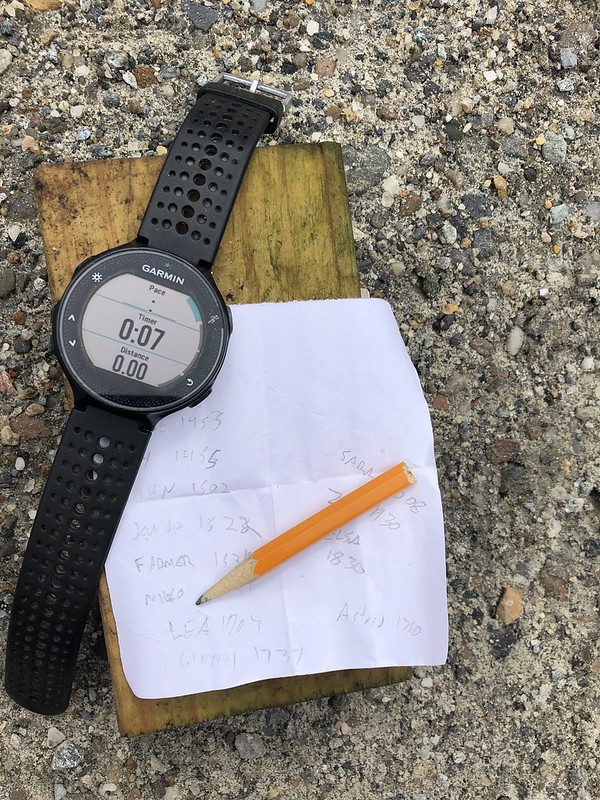
Some wouldn’t call just two efforts, about 20 minutes of combined time, an entire testing week. But the reality is, our recently-completed Junior timetrials do go beyond just a single week in scope.

We test periodically throughout the spring, summer, and fall. Since ski races need snow and only happen in one of the four(+) seasons we experience in Vermont, tests are one of our key metrics for gauging personal progress and responses to all of the training we do. We aren’t alone, as most every team has their own dedicated uphill run test and double pole test, among others (like the 3000m run, or different types of strength testing).

It is always fun to see big improvements. Often the biggest improvements happen when someone does a specific test for their second time ever…the first time through a test is a bit of the unknown, even if you warm-up by checking out the whole course. Nothing prepares you for the first time pushing yourself as hard as possible through a new experience! When a racers comes into the test the second time, they know more of what to expect and how to prepare both mentally and physically.

Big improvements can also happen over time through personal growth. Because age groups range from U16 to U20, we have people every year doing these tests from 8th grade all the way up through (and beyond) their early years in college. Whether through puberty, changes in school sport focus, or just the nature of being growing teenagers, you can’t always pin a improvement or a decline on the training plan alone. It’s not always a simple input (training) -> output (results) scenario, and that’s where Junior coaching gets complex and fascinating.

With the end of summer training, a tough volume block that included travel and altitude time for a collection of our group, and the start of a busy school year, this testing week was as much about checking for consistency and not just improvement. It was a check to make sure we had all survived the past few weeks!

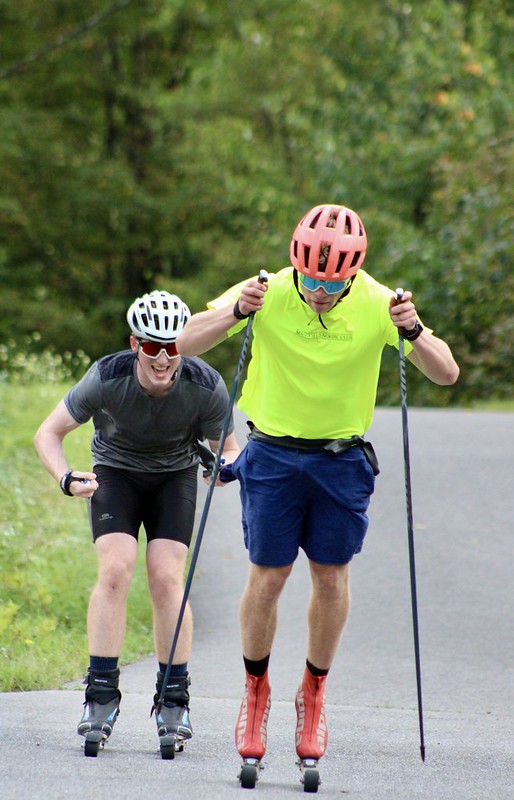
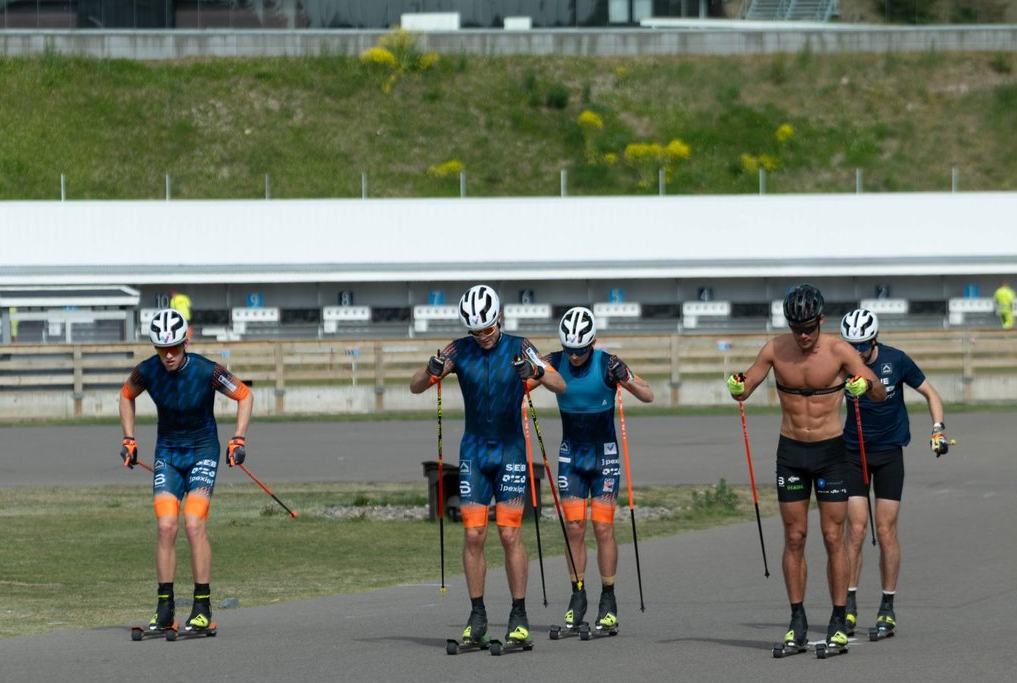
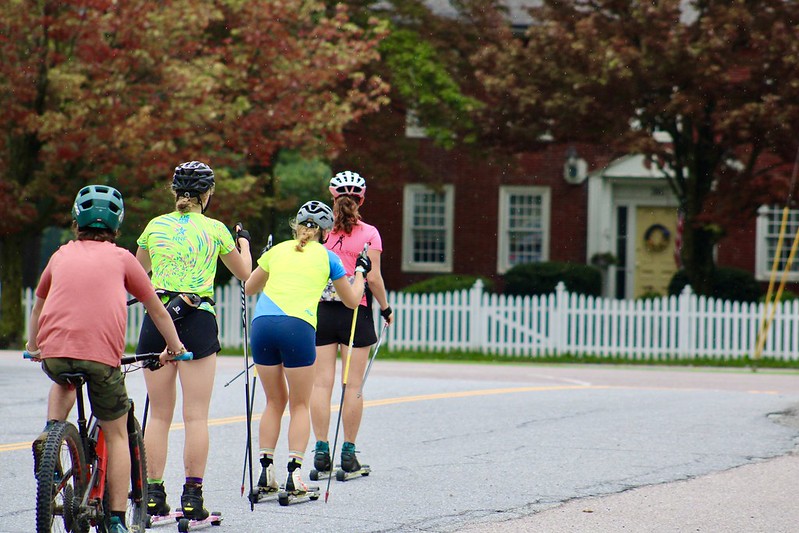
The early part of the week brought the added challenge of heat and humidity to the double pole tests on Monday and Tuesday, but it was nothing some extra popsicles and hydration couldn’t handle. Sometime in the next month or two we will be rollerskiing with jackets and gloves on, wishing we could have a few minutes of blissful 90-degree temperatures…maybe.

Things cooled-off by the Bolton uphill run test at the end of the week, and a whirlwind of spreadsheets and time calculations had been completed. Across the two very different types of tests, there were almost unanimous PR efforts for double poling and uphill running. Those that didn’t hit a PR were either very close, or setting a season-best for their testing. Seems like we have collectively survived the switch to the next part of the year.

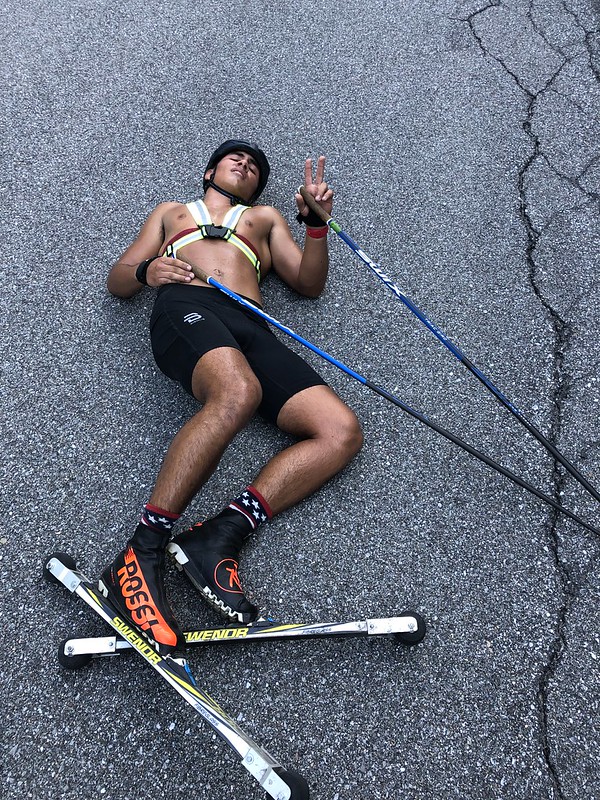
Lorenzo just barely surviving!


Social media & sharing icons powered by UltimatelySocial